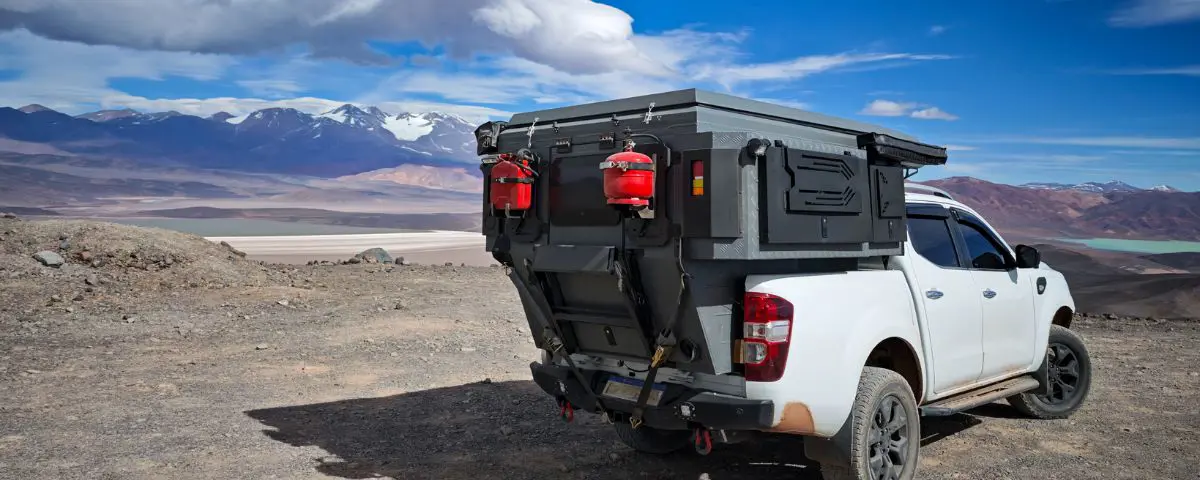
Exploring Catamarca in 7 days means discovering one of Argentina's most pristine regions. It combines thermal oases like Fiambalá with the lunar landscapes of the Puna. To enjoy the Adobe Route, the Pumice Stone Field, and the Six-Thousanders without any problems, understanding its geography and logistics is key. Find the definitive itinerary here, and we'll tell you which sections you can drive and when to book a 4x4 tour.
Summary of a trip to Catamarca
- Ideal duration: 7 days / 6 nights.
- Total approximate distance: 1,450 km (asphalt, gravel and sand tracks).
- Fueling points: Fill up your tank in San Fernando del Valle, Belén, Fiambalá and Antofagasta de la Sierra.
- Vehicle requirement: Private car suitable for 60% of the circuit; 4x4 traction with a guide qualified for the Puna and high mountain.
- Best time to travel: From March to November (avoiding the summer rainy season which closes passes in the Puna).
How to organize a trip to Catamarca in one week?
Planning an itinerary to the Province of Catamarca requires understanding that it is divided into two main regions: Green Catamarca with its valleys, and Catamarca of the high mountains and puna.
To plan a 7-day road trip through Catamarca, you need to consider distances, altitude, and the geography of your destination. The ideal route begins in the central valleys, continues westward through the wine-producing and historical region (Tinogasta and Fiambalá), and culminates in the high mountain landscapes and the deep Puna plateau (Campo de Piedra Pómez and Antofagasta de la Sierra).
What is the best time to travel to Catamarca?
The best time to travel to Catamarca is during spring (September to November) and autumn (March to May), when the weather is mild and the roads are clear. Winter (June to August) is possible, but the Puna region experiences sub-zero temperatures. Summer (January and February) is also a time when rain often makes gravel roads impassable in areas like Antofagasta de la Sierra.
Do you need a 4x4 to travel the Catamarca route?
To find out how to get around Catamarca , the main roads—National Route 38, National Route 60, and Provincial Route 43—are paved all the way to El Peñón. Any sedan can easily navigate this area.
However, a 4x4 vehicle is necessary to reach Antofagasta de la Sierra or explore the attractions of the Puna region. These include the Campo de Piedra Pómez Protected Natural Area, crossing the Tatón dunes, and climbing above 4,000 meters above sea level in the Seis Miles area.
A 4x4 truck with a local guide is necessary due to the difficult terrain, lack of signal and fuel shortage.
Catamarca 7-day itinerary: From the Capital to the Puna
Day 1: San Fernando del Valle de Catamarca
Begin your tour by exploring what to see in San Fernando del Valle de Catamarca . Dedicate the morning to visiting the Cathedral Basilica of Our Lady of the Valley and the Government House, a work by the architect Luis Caravati.
For lunch, try a traditional Catamarca-style jigote in the historic center. In the afternoon, visit the artisan market to see authentic textiles before beginning your gradual ascent to higher altitudes. This day serves as a rest stop and a chance to stock up on cash (ATMs are scarce in the Puna).
Book this Catamarca City Tour here
Day 2: Portezuelo Pass and Calchaquí Valleys
Take Provincial Route 42 to ascend the iconic Cuesta del Portezuelo, where you'll have unobstructed panoramic views of the Central Valley. Continue your journey on National Route 40 towards Belén, the "Cradle of the Poncho." Visit local weavers' workshops to observe the spinning of pure vicuña fiber on a spindle. Spend the night in Belén and fill your fuel tank to capacity.
Discover part of Catamarca with this Tourist Circuit from Cuesta del Portezuelo to San Fernando
Day 3: The Adobe Route: From Tinogasta to Fiambalá
From Belén, connect with National Route 60 to explore the famous Adobe Route , a 50-kilometer heritage circuit between Tinogasta and Fiambalá. This stretch showcases historic constructions made of mud, straw, and manure that have withstood more than 200 years.
- Attractions: Visit the Church of San Pedro in Fiambalá, the Comandancia de Armas Cultural Center and the Orquera Oratory in Tatané.
- High Altitude Wines: In Fiambalá, visit the artisanal wineries that produce varietals such as Torrontés Riojano and Cabernet Sauvignon at over 1,500 meters above sea level.
Delve deeper into the colonial and Inca history of the area, opt to book guided tours along the Adobe Route with local guides.
Day 4: The Route of the Six Thousanders and Fiambalá Hot Springs
In the morning, travel the first section of the Six-Thousander Route (National Route 60 towards the San Francisco Pass). Admire the first peaks that approach 6,000 meters in altitude, amidst ravines with reddish and greenish hues.
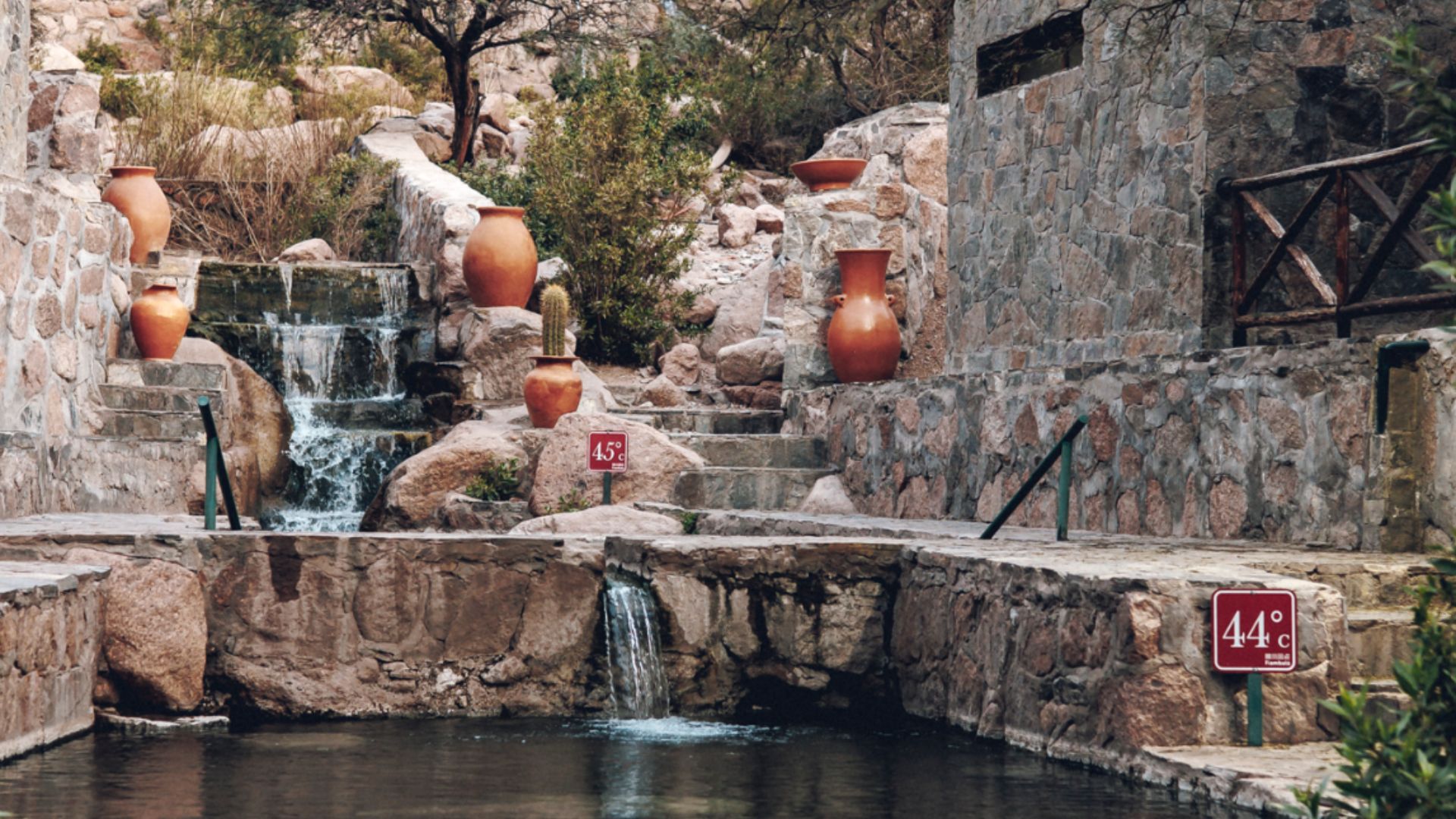
In the afternoon, relax at the famous Fiambalá Hot Springs. This fantastic natural thermal pool features 14 stepped stone pools with water temperatures ranging from 28°C to 45°C.
Travel tip: The Fiambalá Thermal Complex operates with a limited number of daily slots and appointments to preserve the environment. Entry is not possible without a prior reservation. To ensure smooth access, book a package that includes Fiambalá Hot Springs tickets and transfers.
Day 5: Pumice Stone Field and Antofagasta de la Sierra
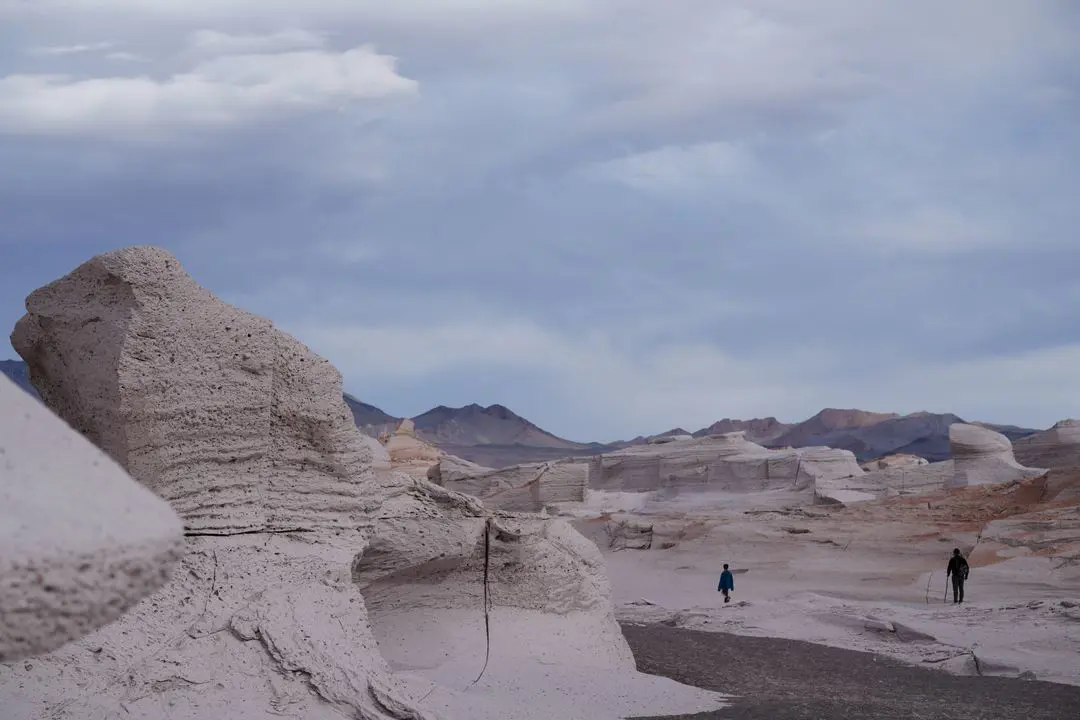
From Fiambalá or Belén, the road ascends towards El Peñón to enter the Campo de Piedra Pómez Protected Natural Area. This area stretches for over 30 kilometers and is covered in petrified pumice, the result of ancient volcanic eruptions.
If you're wondering how to get to the Pumice Stone Field , it's important to know that the terrain is located at over 3,000 meters above sea level. It consists of soft sand tracks, so vehicles without four-wheel drive will get stuck. Furthermore, solar radiation is extreme and navigation is difficult. Entering independently without a guide is prohibited.
To ensure a safe and risk-free experience, book a guided 4x4 tour to the Pumice Stone Field in advance. High-mountain drivers are included. Continue to Antofagasta de la Sierra for an overnight stay in the heart of the Puna.
Day 6: Galán Volcano and Laguna Grande in the Deep Puna
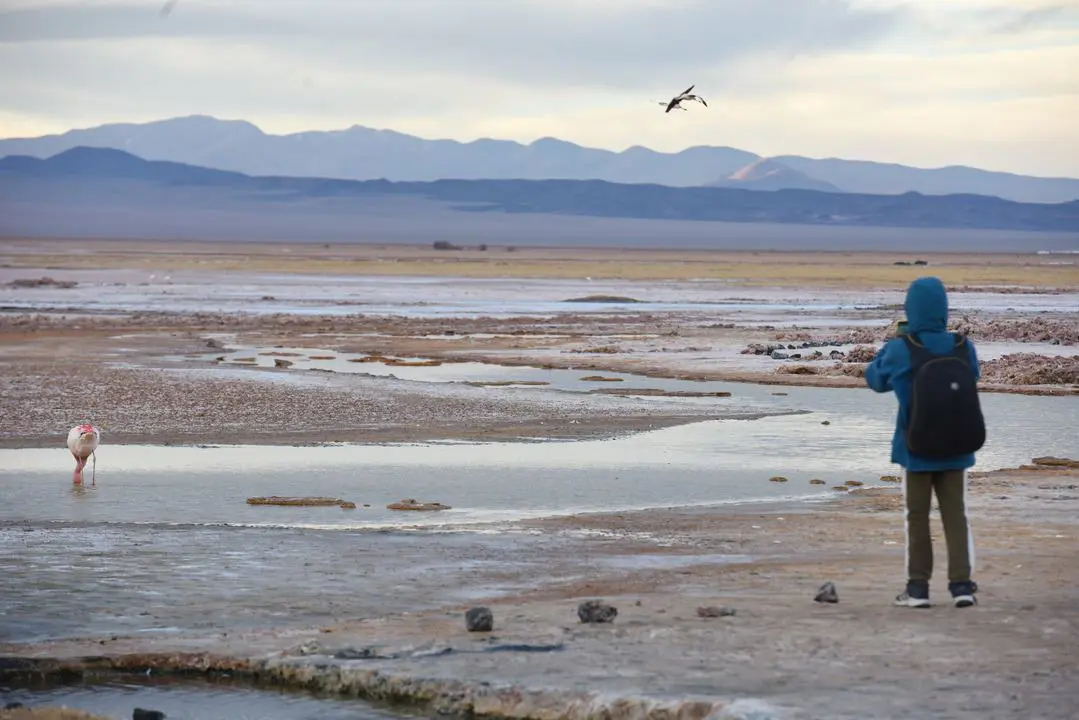
The most physically and visually demanding section begins as you venture deep into the Puna plateau. From Antofagasta de la Sierra or El Peñón, a 4x4 journey leads to the imposing Galán Volcano Caldera and Laguna Grande , a natural sanctuary that is home to thousands of pink flamingos between October and March.
Since this route involves sustained travel above 4,000 meters above sea level, constant hydration with mineral water is vital. Avoiding heavy meals and getting adequate rest are essential to prevent altitude sickness.
To explore these logistically challenging terrains safely, be sure to book your guided tour of the Puna and Galán Volcano well in advance.
Day 7: Regional shopping in the Capital and return
Return to San Fernando del Valle de Catamarca to end your trip. Take advantage of your last morning to buy regional sweets (such as candied walnuts and cayote jam). Don't forget the artisanal wines of the Torrontés Riojano or Bonarda varieties produced in the high-altitude wineries of Fiambalá.
Discover more attractions in Northern Argentina here: Purmamarca, Salinas Grandes, Cafayate and much more
Frequently Asked Questions about Tourism in Catamarca
Which excursions in Catamarca require a guide? Protected Natural Areas of the Puna (Campo de Piedra Pómez, Laguna Blanca and Volcán Galán) require a local guide registered by the Ministry of Tourism of Catamarca.
How much does a 7-day trip to Catamarca cost? The price varies depending on whether you book tours or rent a car, and the type of accommodation. Checking current prices for tours in Catamarca in advance allows you to create customized packages with all the logistics arranged.
What to do in Catamarca in 3 days? Day 1: Arrival in the capital city, tour of the city center, direct trip to Tinogasta via the Cuesta del Portezuelo pass. Day 2: Tour along the Ruta del Adobe (Tatané, Anillaco, Fiambalá) and relaxing afternoon at the Fiambalá Hot Springs. Day 3: Route of the Six Thousanders (Pisi Balcony) to the Quebrada de las Angosturas gorge and return to the capital city.
Hidden gems of Catamarca? Tatón Dunes, Galán Volcano Caldera and Laguna Grande. El Shincal de Quimivil (Londres). Antofalla Salt Flat and Ojos de Mar, Los Castillos de Villa Vil.
How do drinking water, cash, and internet access work in Catamarca? In the Puna region, the high concentration of minerals can affect digestion; bottled water is recommended. Cash is essential. Cell phone service is almost nonexistent on intercity roads and throughout the Puna.
Are you ready to experience the Catamarca adventure?
Discover the most pristine region of Northwest Argentina and the Catamarca highlands. Book the best excursions in Catamarca here and secure your spot with local guides, guaranteed access, and maximum safety. Plan your 7-day itinerary and make your trip a unique experience!
By: Hasbleidy Julieth Chacón | Web Content Creator for Catamarca.tours
Published by BestCatamarca.tours on 02/09/2026