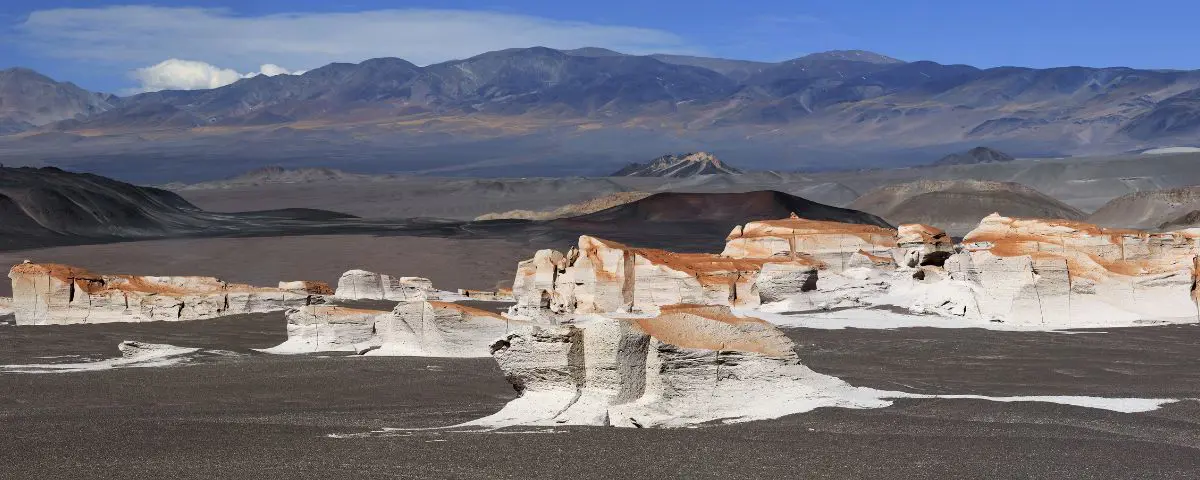
Traveling to Catamarca requires planning mountain logistics, fuel supplies, and access permits. To explore the Puna, the Campo de Piedra Pómez (Pumice Stone Field), and the Ruta de los Seismiles (Route of the Six-Thousanders), equipped 4x4 vehicles are ideal. High-mountain guides and advance reservations are also essential to guarantee a safe journey.
Where is Catamarca located?
The province of Catamarca is located in Northwest Argentina (NOA) . It borders Chile to the west (across the Andes Mountains), Salta to the north, and La Rioja and Córdoba to the south. Its capital is San Fernando del Valle de Catamarca .
Why visit Catamarca?
Catamarca is a key Argentine destination for adventure tourism and unspoiled nature without overcrowding. It stands out for five main reasons:
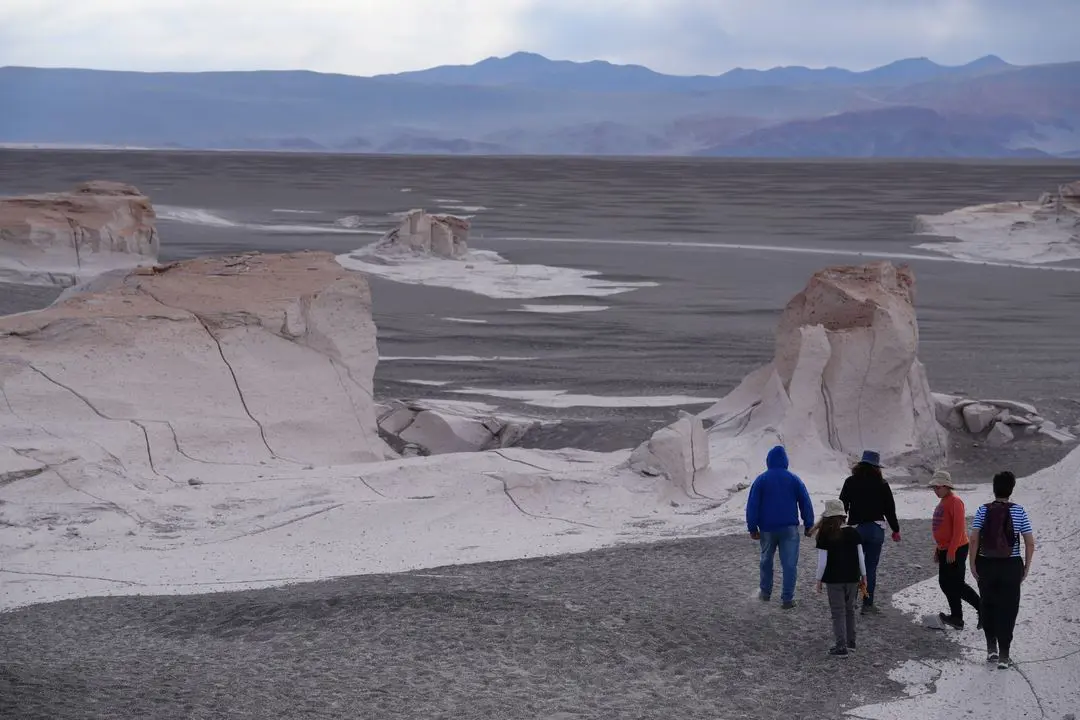
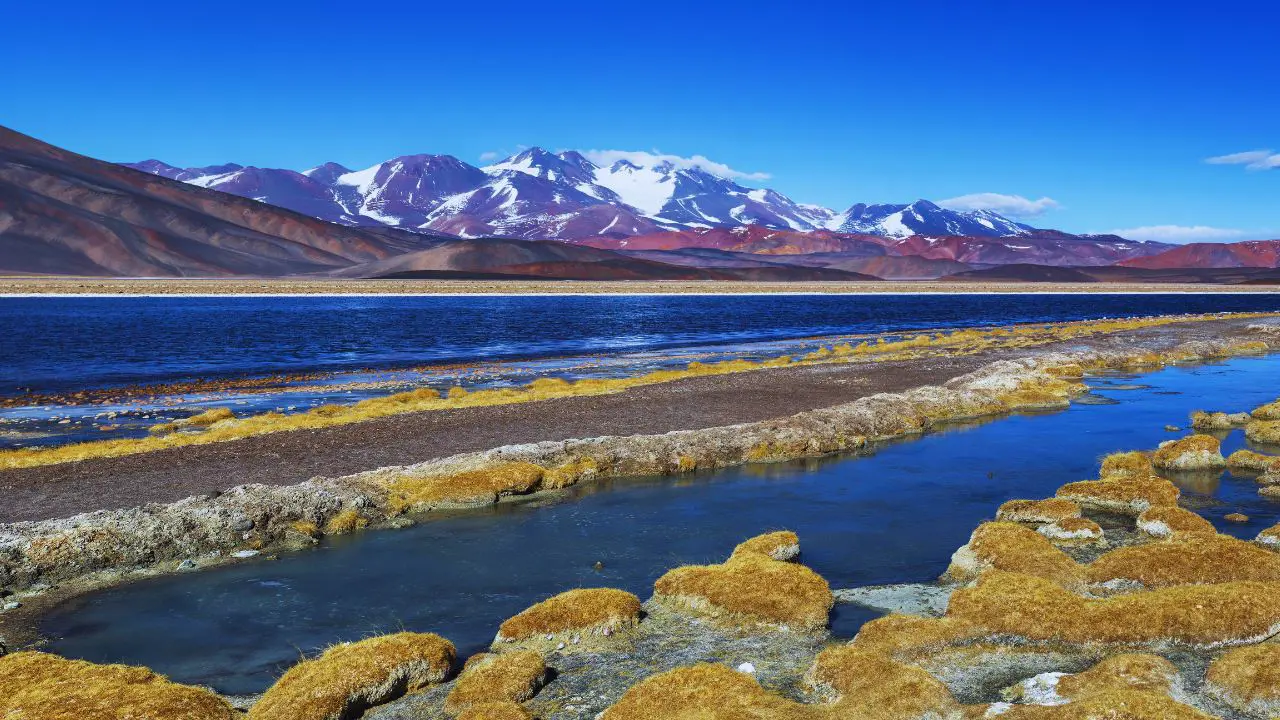
- Extreme and unique landscapes: It features attractions such as the sea of rock in the Campo de Piedra Pómez (Pumice Stone Field), the giant caldera of the Galán Volcano, and volcanoes over 6,000 meters above sea level alongside colorful lagoons on the Ruta de los Seismiles (Route of the Six-Thousanders).
- Tranquility: It offers an experience free from crowds, local warmth and traditions rooted in towns like Belén, Tinogasta and Fiambalá.
- Natural hot springs: It houses the Fiambalá Hot Springs, natural pools on the mountainside ideal for relaxation.
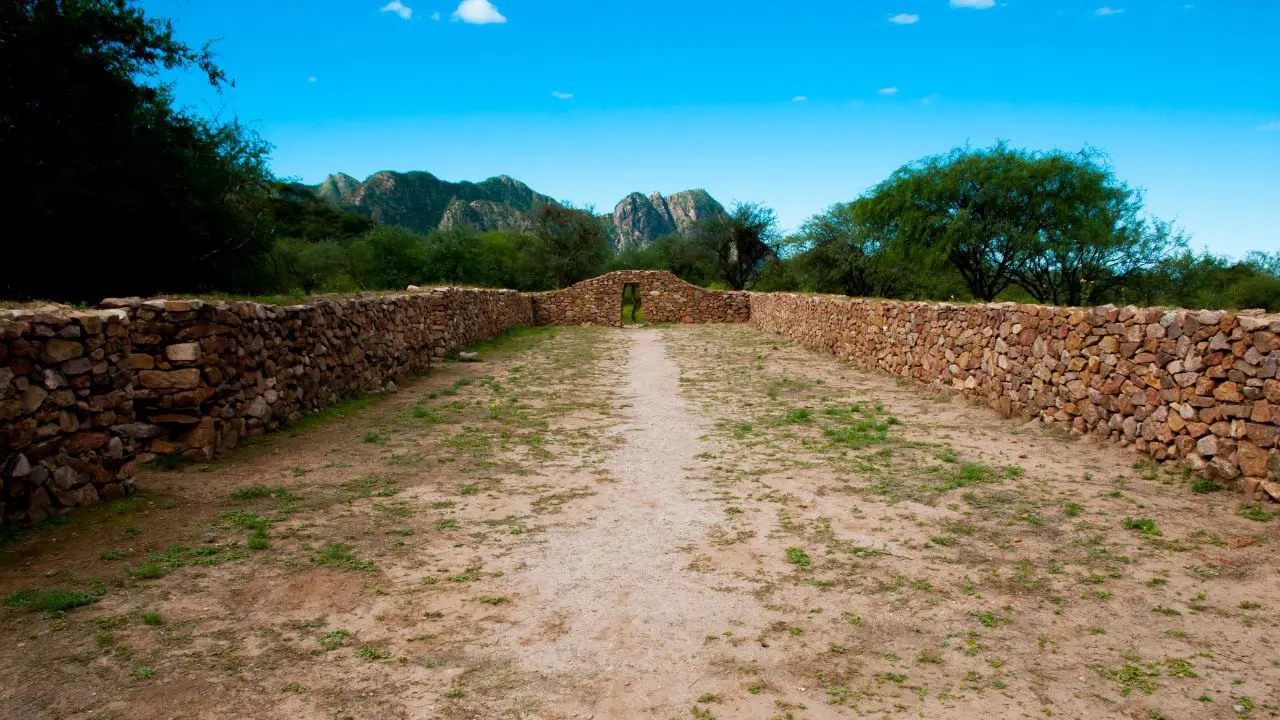
- Archaeological heritage: It preserves the Ruins of El Shincal de Quimivil in London, a relevant archaeological site and Inca empire.
- Adventure tourism and 4x4: It is an ideal environment for truck trips, sandboarding in the Tatón Dunes and high mountain hiking.
Basic requirements for getting to know Catamarca
Can you travel around Catamarca in a private car or do you need a 4x4?
Catamarca is a pristine destination with unspoiled natural landscapes. To explore Catamarca by car, the ideal routes include: San Fernando del Valle, the Adobe Route between Tinogasta and Fiambalá, and paved sections of National Route 40 as far as Belén and Londres.
However, to access the iconic attractions of the Catamarca Puna, a 4x4 vehicle with high ground clearance is necessary. Natural destinations like the Campo de Piedra Pómez (Pumice Stone Field) or the Galán Volcano require 4x4 vehicles. Furthermore, the lack of cell phone service in over 80% of the Puna region transforms any mechanical failure into a logistical emergency.
Travel tip: Book tours in Catamarca in advance to ensure vehicles and guides specialized in Northwest Argentina.
How to prevent altitude sickness (+4,000m)
Altitude sickness, or altitude sickness, in Northern Argentina manifests itself at altitudes above 2,500 meters above sea level. This is caused by the decrease in atmospheric pressure and low oxygen levels. In destinations such as the Balcón de Pissis (4,700 meters above sea level) or the crater of the volcano (4,900 meters above sea level), acclimatization must be gradual and is a non-negotiable medical requirement.
To minimize symptoms (headache, nausea and fatigue), it is advisable to spend the night in intermediate places such as Belén or Fiambalá before sleeping in El Peñón.
During the tour, drink plenty of water, avoid heavy meals and alcoholic beverages. If your guide recommends it, try traditional herbal teas such as coca leaf, rica-rica, or chachacoma.
What to bring to Catamarca? Clothing, protection, and cash.
When traveling to Catamarca, it's essential to dress in layers with thermal clothing, a windbreaker, a hat, and gloves, due to the significant temperature fluctuations, which can exceed 20°C between day and night.
In addition, you should pack hiking boots, a swimsuit with flip-flops for the Fiambalá Hot Springs, and a sun protection kit: SPF 50+ sunscreen, sunglasses with UV protection, and cocoa butter.
Finally, don't forget to bring a reusable water bottle to stay hydrated. A portable charger (power bank) for your devices is also essential. Bring cash, as ATMs and mobile phone signal are scarce in the Puna region.
Best Time to Travel to Catamarca: Climate and Seasons
Spring and Autumn: Recommended Season
The months of March to May (autumn) and September to November (spring) are the best time of year to visit the entire province.
- Friendly climate: Avoid extreme weather, both hot and cold.
- Light winds and clear roads: Winds in the Puna region are moderate compared to summer or winter. Gravel roads remain dry and passable.
- High mountain: It is the best time to make crossings towards the Balcony of Pissis, the Pumice Stone Field and the Route of the Six-Thousanders.
Summer (December to February): Floods and Summer Rains
Summer shows contrasting landscapes and very pleasant temperatures in the high areas, but requires precautions due to rain in Northwest Argentina (NOA).
- Advantages: In the Puna (El Peñón, Antofagasta de la Sierra) daytime temperatures are extremely pleasant, ranging between 20° and 25° C.
- Please note: It is the rainy season. In the valleys and foothills, rainfall in the upper watersheds causes flash floods in rivers that cross roads. Road closures may occur.
Winter (June to August): Extreme Cold and Snow in High Passes
During the winter the skies are usually clear, but the thermal conditions in the Puna are harsh.
- Advantages: Little rain in almost the entire province and clear skies ideal for photography.
- Please note: In high mountain areas, nighttime temperatures can drop to -15°C to -20°C. Snow is also possible, and roads may be closed as a precaution.
What to do in Catamarca in 7 days?
Days 1 to 3: Adobe Route, Fiambalá Hot Springs and Balcony of Pissis
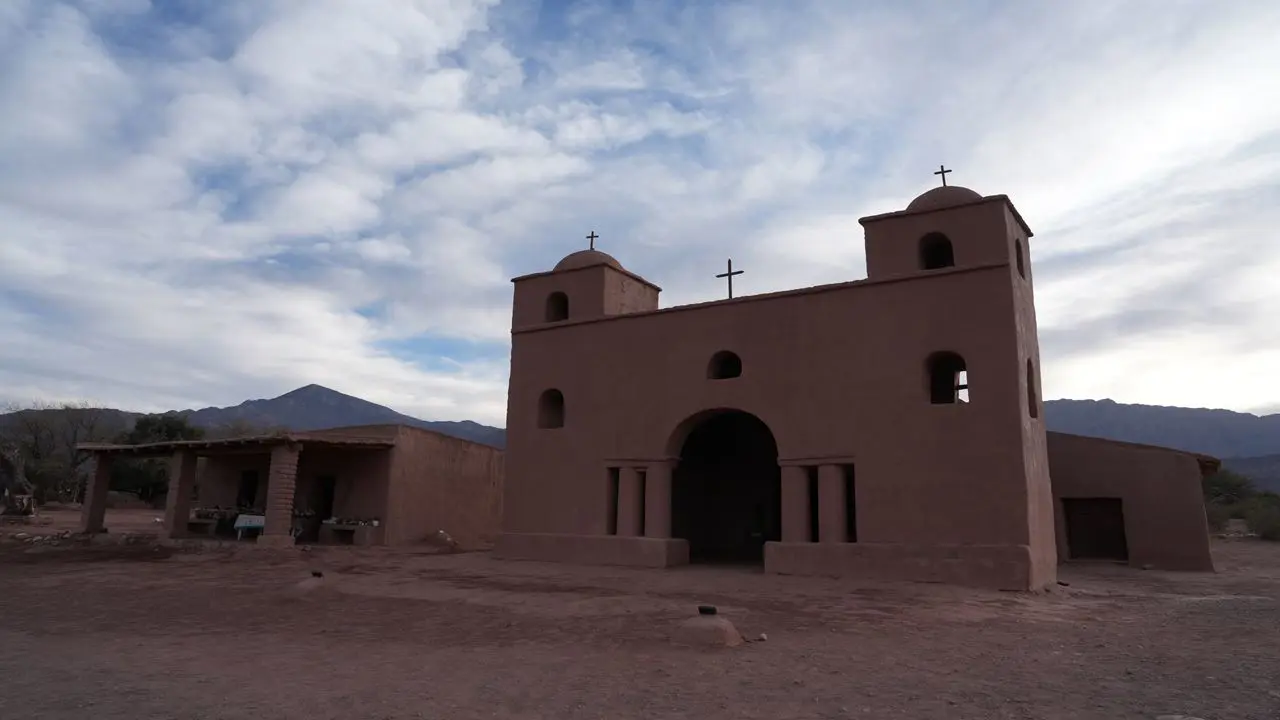
The tour begins by traveling from Tinogasta towards Fiambalá. Take the Ruta del Adobe y Termas (Adobe Route and Hot Springs) , a 50-kilometer route featuring mud-brick churches. In the afternoon, visit the Fiambalá Hot Springs to enjoy their natural, terraced pools nestled in the ravine.
The second day is dedicated entirely to the high Andes, with a guided excursion to the Balcón del Pissis . The ascent skirts colorful high-altitude lagoons (Laguna Verde, Laguna Negra, and Laguna Aparejos). The tour culminates at the viewpoint of Mount Pissis, the third highest peak in the Americas.
Days 4 to 5: Bethlehem, Shincal Ruins and access to El Peñón
Head towards Belén, the national capital of poncho weaving. Along Route 40, stop in Londres and explore the Inca archaeological park. Take this tour to the El Shincal de Quimivil Ruins , the southernmost ceremonial center of the Tawantinsuyu (Inca Empire).
On day 5, ascend through the Indalecio ravine towards El Peñón, stopping at the Laguna Blanca Biosphere Reserve.
Days 6-7: Pumice Stone Field, Carachi Pampa and Antofalla Salt Flat
Based in El Peñón, explore the Campo de Piedra Pómez protected natural area . A labyrinthine expanse of more than 5,000 pumice blocks shaped by the eruption of the Blanco volcano and wind erosion.
Complete your journey by visiting the Carachi Pampa volcano with its black basalt lagoon. If trail conditions permit, take the excursion to the Antofalla Salt Flat, crossing the legendary Randolfo Pass.
The Best Excursions in Catamarca
Explore the Puna and the high mountain range with these experiences you can book for your trip:
- Adobe Route and Fiambalá Hot Springs Tour : Full-day excursion from the capital to Fiambalá. Combines historic 18th-century mud architecture with a relaxing soak in natural hot springs.
- Tour to the Ruins of El Shincal, Belén and Londres : A 12-hour journey along Route 40. Explore the most important Inca capital in Argentina and discover the birthplace of the poncho in Belén.
- Cuesta del Portezuelo and Valleys Circuit : Panoramic tour through the Cuesta del Portezuelo, the Las Pirquitas Dam and mountain viewpoints.
- Archaeology in Ancasti (La Tunita) : Private cultural journey to see the ancient cave paintings hidden in the mountains.
- Nature and Green Valleys Getaways : Short excursions departing from the capital to enjoy meadows, streams and mountain villages.
- Private City Tour : Guided tour of San Fernando del Valle de Catamarca to discover its historic center, the Cathedral Basilica and its architectural heritage.
Fiambalá Hot Springs and Protected Parks
To visit the Fiambalá Hot Springs complex, you must make a reservation. Due to the area's carrying capacity and the need to preserve water resources, the municipality enforces a strict quota system for shifts (morning, afternoon, and evening).
Tickets are not sold at the thermal complex's ticket offices . They must be purchased in advance at the Tourist Office located in the main square of Fiambalá or through the municipal website .
To enter Protected Natural Areas such as Piedra Pómez and Laguna Blanca, it is mandatory to pay the entrance fee and access with a guide.
Frequently Asked Questions about Traveling to Catamarca
How many days are needed to see the main sights of Catamarca? A minimum of 7 days is required to visit the main destinations. One week allows you to see the Adobe Route, the Fiambalá Hot Springs, the Balcón del Pissis viewpoint, the El Shincal Ruins, and the Pumice Stone Field in the Puna region.
How do I get tickets for the Fiambalá Hot Springs? Tickets can be purchased at the Fiambalá Tourist Office (opposite the main square). You need to select the exact date and time slot (morning, afternoon, or evening).
Is it mandatory to hire a guide at Campo de Piedra Pómez? Yes, the regulations of the Protected Natural Area require entry with a registered local guide or through a 4x4 vehicle tour.
Where should I fill up with gas before heading up to the Catamarca Puna? The last official gas station is in El Eje (intersection of National Route 40 and Provincial Route 43). Gas stations in El Peñón and Antofagasta de la Sierra may run out of fuel during long weekends or peak season. It's recommended to fill up at every available station.
Is the water safe to drink in Catamarca? Most towns and cities in the valleys (such as the capital, San Fernando, Belén, Tinogasta, and Fiambalá) have running water. However, due to the high mineral content, the water often tastes different or very strong. It's best to buy bottled mineral water.
Visit Catamarca Now!
Get ready for a unique adventure in Northern Argentina. Book your excursions in Catamarca today and secure your spot with expert guides and fully equipped 4x4 vehicles.
By: Hasbleidy Julieth Chacón | Web Content Creator for Catamarca.tours
Published by BestCatamarca.tours on 31/08/2026